Column · @gardennotes37
Building a Wedding Season Rota for Florists
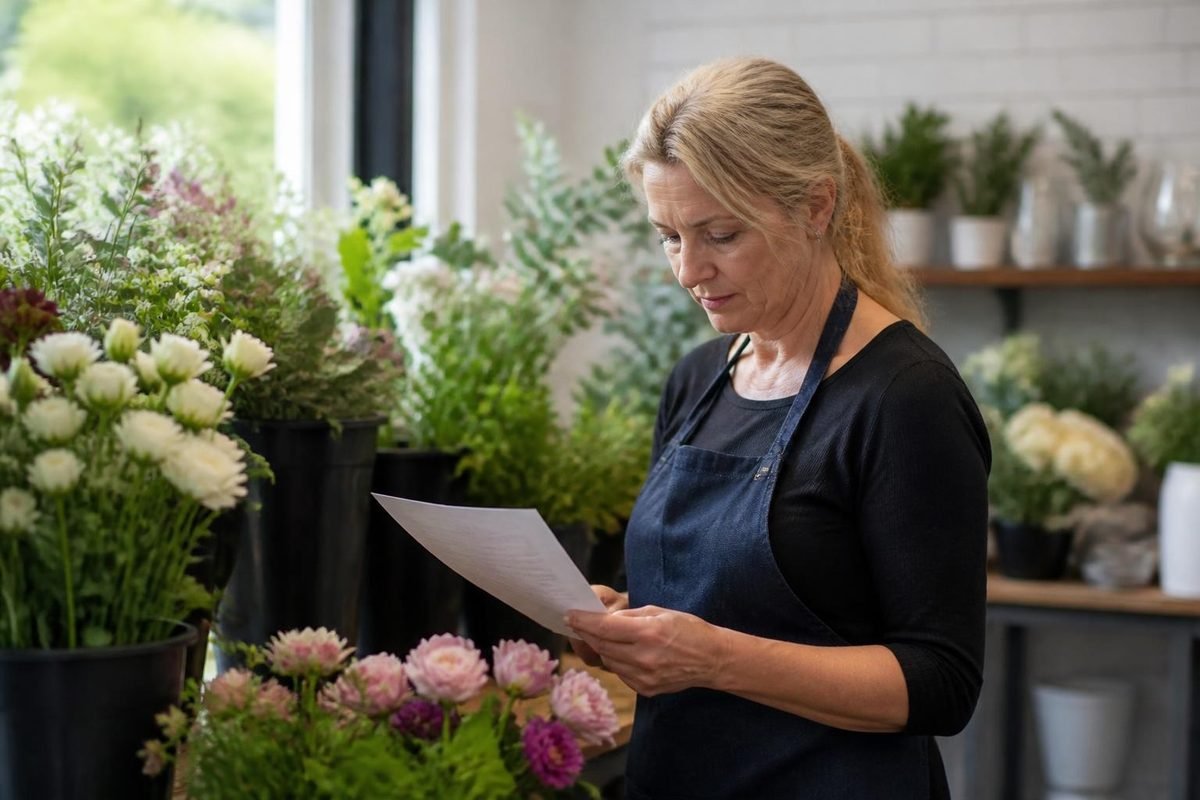
Plan wedding season staffing by counting back from each event and assigning enough people to prepare flowers, design arrangements, deliver them and set up at the venue. Keep spare capacity for changes, make shifts clear, and leave staff time to rest.
Map out every wedding
Record all confirmed weddings in one calendar, including delivery deadlines and venue setup times. Add the work that must happen beforehand, such as receiving flowers, conditioning stems, making bouquets and loading vehicles. A Saturday wedding may require staff across several days, so include the preparation time rather than focusing only on the event date.
Review the whole week when you plan. Weddings on the same weekend may need the same workspace, vehicles or experienced designers, even if their ceremonies take place hours apart. Write down venue access restrictions and collection deadlines too, since these can reduce the time available to complete the work.
Work out the hours and skills needed
List the tasks for each wedding and estimate how long each is likely to take. Factor in how many arrangements are required, how complex they are, the condition of flowers when they arrive, travel time and the number of people needed for setup. Previous weddings can guide your estimates, but remember that each job has its own demands.
Match staff to both their abilities and the tasks that need to happen at once. For example, an experienced designer may need focused, uninterrupted time at the workbench while another person prepares containers or packs supplies. Give someone responsibility for checking completed arrangements against the order.
Set shifts to cover peak periods
Schedule more people for the periods when several jobs overlap instead of dividing staff hours evenly across the week. You may need early shifts to receive flowers or reach a venue, and event collection can take place late. Put these fixed commitments on the rota before filling in other work.
Share the schedule as early as you can, and check who can accommodate changes. Include meal breaks, travel, and time to load and unload vehicles. Check the working time and break requirements that apply where your business operates. A rota may look efficient, but it also needs to be workable for the people following it.
Keep some capacity in reserve
Flowers may arrive in poor condition, a delivery may be late, or a venue may alter its access arrangements. Do not schedule every available hour. Leave room for unexpected work, and decide who could help if a task runs over. Do not rely on any staff member being available at all times.
Before the busiest days, take a little time to confirm assignments, contact details and decisions that are still outstanding. After the weekend, record which time estimates were on target and where the team needed longer. These notes can help you plan the next rota more accurately.
Wedding season rota questions
When should you send out the rota?
Share a draft once you know enough about event needs and staff availability to make useful assignments. Revise it if details change, and contact any staff whose shifts are affected.
How can you cover two setups at once?
Ask whether the venues can provide different access times. If that is not possible, assign a separate team to each wedding and check that both teams have the flowers, supplies and transport they need for their event.
Keep reading: scheduling a gift abroad